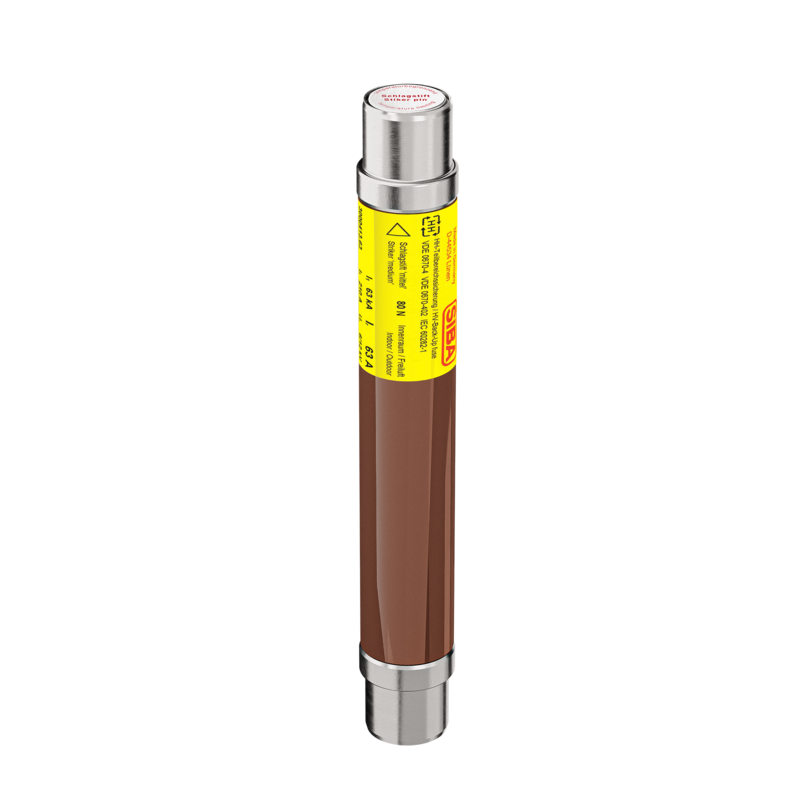

Energy supply & distribution
Managing energy intelligently, shaping a secure future
Protection solutions from 400V
to 40,500V
3000+ NH and HH
fuse-link types
ICS®: 40+ times the
cyclic stability
Complies with VDE standards for
transformer protection and load switch-fuse-link combinations
Intro
To ensure that power from renewable sources such as wind and solar power can be used reliably, the electricity grid must not only be expanded but also comprehensively modernized and digitized.
Upgrading and expansion of the electricity grids are essential for the success of the energy transition and the achievement of climate neutrality. This gives rise to numerous challenges that have technical, economic and social implications.
The challenges
- Grid overload and instability – the existing infrastructure is not designed to cope with the highly fluctuating feed-in from decentralized generators. This leads to voltage problems and an increased risk of grid disruptions.
- Curtailment of renewable energy – electricity generated from wind and solar power cannot be fed into the grid even though it is available – an environmental and economic problem.
- Supply uncertainty – voltage fluctuations and local power cuts jeopardize the supply, particularly in regions with high levels of feed-in.
- Rising electricity prices – inefficient grid management and redispatch measures are driving up costs, which are passed on to consumers via grid charges.
- Delayed electrification of everyday life – heat pumps, electric vehicles and domestic solar panels cannot be used to full potential if the grid does not keep pace.
- Financial losses for plant operators - delayed grid connections and technical restrictions are jeopardizing investments and business models.
The solution: High-voltage and low-voltage fuse-links
High-voltage and low-voltage fuse-links stabilize the power grid by reliably protecting sections of the grid against overloads and short circuits and by quickly isolating faulty sections. They enable the safe integration of distributed generation sources such as solar panels, support power feed-in at both low- and high-voltage levels, and prevent damage caused by grid disturbances. By implementing targeted fault containment measures, they improve recovery times and enhance the overall resilience of the network.
At the same time, modern fuse-link systems promote the digitalization and automation of grid management, enable dynamic load distribution and reduce the need for costly interventions. In domestic settings, low-voltage fuse-links protect domestic electrical installations, simplify the connection of generators and consumers and ensure a stable supply. Standardized fuse-link technology speeds up approval and connection processes, reduces risks and boosts confidence among investors and project developers.

Strategic tools for security of supply
High-voltage and low-voltage fuse-links are therefore far more than just conventional protective components; they are strategic tools for safe, flexible and future-proof grid expansion. They also help to overcome the technical challenges of the energy transition, minimize economic risks and guarantee security of supply for all stakeholders.
However, all these benefits can only be realized if the fuse-link is selected correctly and sized appropriately for the application – because only the right fuse-link ensures maximum grid stability, protection and future-proofing.
The following also applies: Without rapid grid expansion, even high-performance protection systems can only be effective to a limited extent. Delays jeopardize the security of supply, increase costs for end users and make it more difficult to integrate renewable energy sources. Consequently, the combined use of a modern grid and carefully selected high- and low-voltage fuse-links is a technical necessity for a climate-neutral energy system.
Enhanced technical and strategic benefits
As well as directly resolving technical issues, NH and HH fuse-links also contribute to broader objectives:
Working with you as a partner
SIBA supports equipment manufacturers, energy suppliers, electrical contractors and industrial companies in the selection, design and documentation of protection solutions. Our aim remains the same: to provide the best possible technical, sustainable and cost-effective protection for your electrical systems and your entire measurement infrastructure.
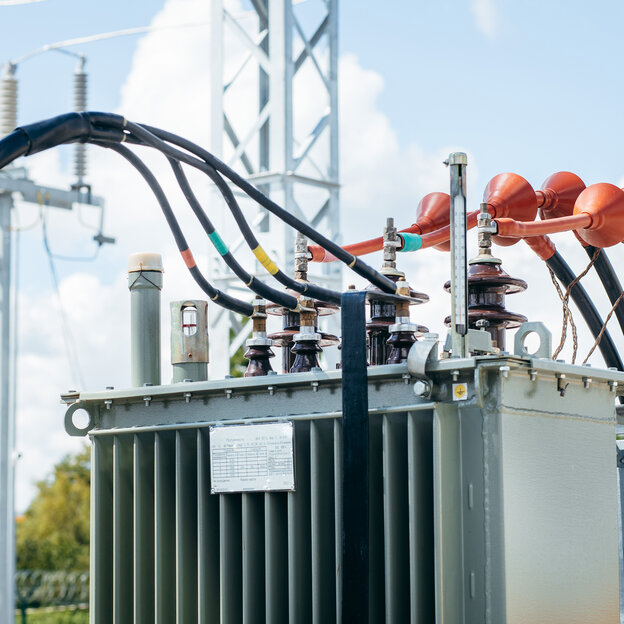
Protecting power transformers: making the right choice on the primary and secondary sides
An indispensable component of power grid topology is the transformer, which can be described as a sophisticated static electrical machine. The start-up process is also demanding; high currents are generated and the fuse-link must not trip. On the other hand, it is important to safely disconnect the circuit if excessive currents flow for too long.
Standards provide general recommendations here, but thanks to our many years of experience, we know exactly which fuse-link is suitable for which situation. This ensures that switchgear, transformers and people are protected.
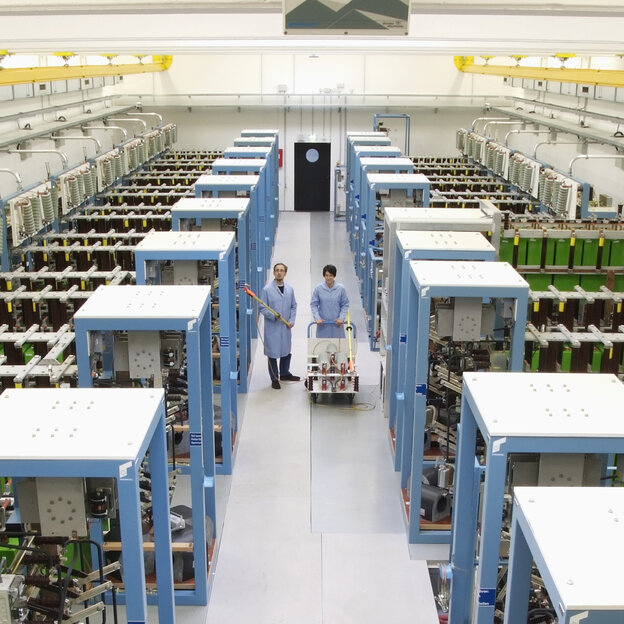
Protection of power capacitors and capacitor banks using HHA-BC high-voltage fuse-links
Capacitor banks are a key component of modern power distribution systems. They are used for reactive power compensation, to improve the power factor and to reduce grid disturbances caused by harmonics. Their integration into medium-voltage networks requires a well-thought-out protection strategy, as capacitors are sensitive to electrical faults and can cause significant damage if operating conditions are not properly controlled.
Capacitor banks are usually protected by current-limiting high-voltage fuse-links (HH fuse-links), which are connected in series with the switchgear and the capacitors. These fuse-links are primarily designed to provide protection in the event of a short circuit, as capacitive circuits can generate extreme current spikes – particularly during start-up. Inrush currents of up to 100 times the rated current are not uncommon, and place high demands on the capacity and time-delay characteristics of the fuse-link.
Voltage transformers are essential components in medium-voltage networks, particularly in measurement panels, where they are used to measure electrical parameters such as voltage and power. Their reliable operation is essential for network monitoring, control and protection technology. To protect such sensitive devices from the effects of electrical faults, specially designed voltage transformer fuse-links are required.
These fuse-links are designed to interrupt fault currents quickly and effectively before they cause damage to the voltage transformers or adjacent main components. Current-limiting high-voltage fuse-links offer a proven solution, particularly in the event of short circuit, when conventional switching devices are unable to cope. They limit the fault energy by means of targeted arc extinction using a quartz sand filling.

Contribution to grid stability and fault isolation
Overall, voltage transformer fuses are an indispensable component of modern power distribution networks. They ensure fault isolation, protect critical infrastructure and enable high grid availability – particularly in smart grids, where precise measurement and rapid response to faults are decisive.
Insights & inspiration
The fast-acting version for load switch-fuse-link combinations (SSK)
SSK technology (load switch-fuse-link combination) is a specialized form of high-voltage fuse-link designed specifically to protect power transformers in medium-voltage networks. Their technical design is based on a robust ceramic insulating tube capable of withstanding high temperatures and internal pressures, a quartz sand filling for arc extinction, and a fuse-link conductor made of high-purity silver, which enables rapid and controlled tripping through strategically placed constrictions. A key component is the temperature-limiting strike pin, which activates in the event of overheating and triggers all-pole disconnection of the switchgear.


Reliability and standard-compliant protection in grid operation
The use of SSK technology offers numerous benefits for plant and network operators. Particularly noteworthy is the high level of operational reliability provided by the rapid fault current limiting, which effectively prevents damage. The fuse-links react within a few milliseconds to reduce the arc energy to a minimum. At the same time, the temperature-limiting strike pin ensures that thermal overload is also detected and reliably shut down – a key advantage in enclosed switchgear with limited heat dissipation.
Another benefit is protection compliant to standards. SSK fuse-links comply with both the requirements of VDE 0670-402 for transformer protection and the specifications of VDE 0671-105 for coordination with load switch-fuse-link combinations. They enable safe and selective coordination with downstream protective devices such as low-voltage fuse-links, even under challenging network conditions such as high short circuit voltage or short switch opening times.
Efficiency, upgrading and sustainability
SSK fuse-links also feature optimized thermal properties. They exhibit reduced power dissipation in some cases, which results in less heat build-up and thus a longer service life for the components. As they are identical in design to standard high-voltage fuse-links, they can be easily retrofitted and are recognized internationally – many switchgear manufacturers already include them in their recommended lists.
Last but not least, SSK fuse-links also help protect the environment. They are fully recyclable, and hundreds of tons of copper and several tons of silver have already been recovered through the nationwide collection scheme run by NH/HH-Recycling e.V. This not only saves resources, but also reduces energy consumption and carbon emissions significantly.
The solution is ICS!
The rapidly increasing number of local feed-in and off-take points associated with the use of renewable energy – from hydro, wind and solar power plants as well as charging stations and high-capacity battery storage systems – is causing significant fluctuations in the load on the electricity grid.
In the case of certain electrical components, such as high-voltage fuse-links, these load cycles can lead to premature material fatigue, resulting in shorter maintenance intervals and even system failures.
We increase system availability – with fuse-links that can easily withstand this load. ICS®-technology for enhanced system protection. To provide effective protection against stress, SIBA has developed high-voltage fuse-links featuring innovative ICS® (Increased Cyclic Stability) technology. They are fitted with an innovative fusible element that significantly improves load-switching stability compared to conventional fuse-links. Thanks to its special structure, the ICS®-fusible element automatically compensates for even highly fluctuating thermal loads, thereby ensuring maximum operational reliability and durability even under demanding cyclic load conditions. SIBA high-voltage fuse-links with ICS®-technology are available for rated voltages from 6/12kV and rated currents from 63A.
Here are the key benefits:
- Longer inspection intervals
- Extension of service life
- Lower inspection and maintenance costs
- Greater protection against system failures
High-voltage, high-performance fuse-links featuring ICS®-technology with optimized cyclic stability. Specially designed for use with renewable energy sources. A protection technology that helps to reduce ongoing operating costs and improve system availability.
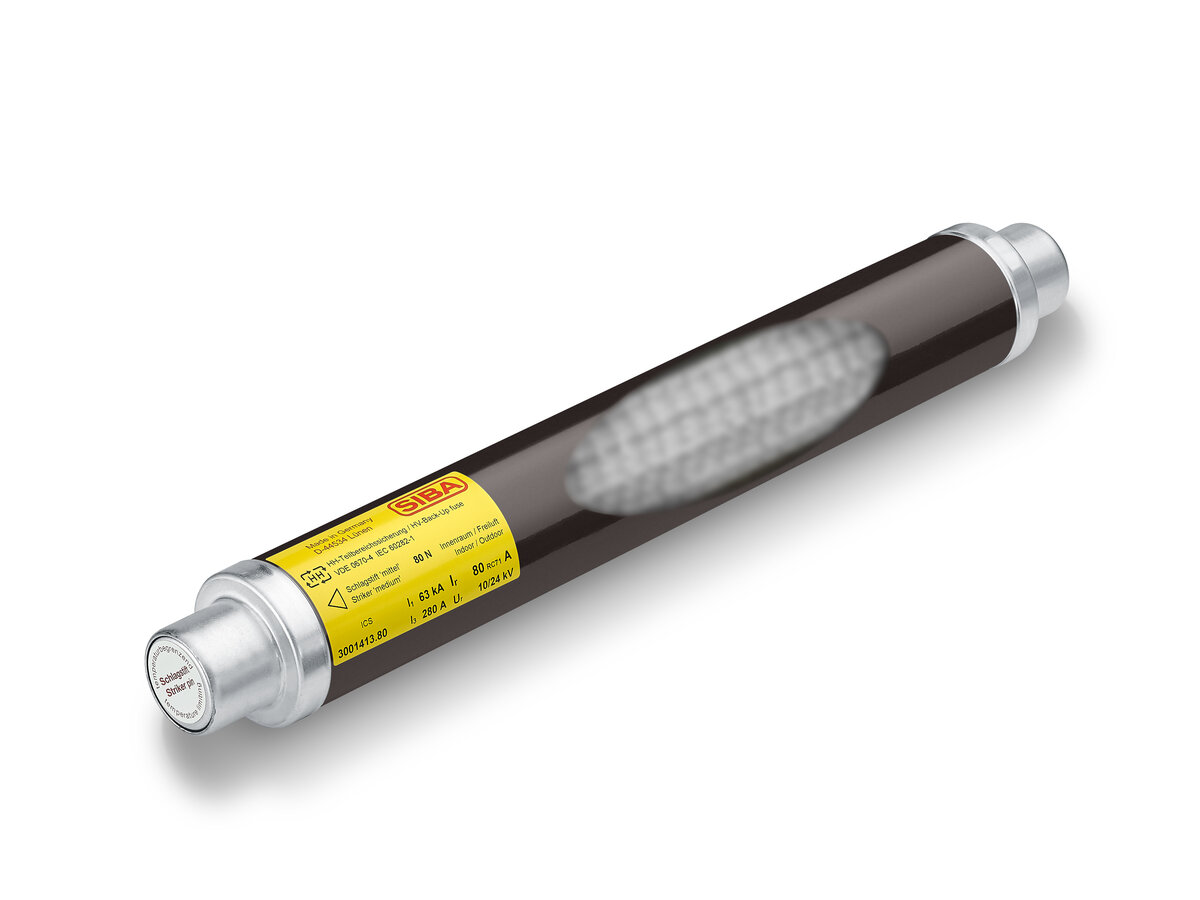
Tip from the experts
Practical guide to selecting a high-voltage fuse-link
Fuse-links
Comprehensive protection with SIBA fuse-links.
Fuse-links
COMPACT SIZE product range
The energy transition poses enormous challenges for Europe’s energy networks. That is why, as an innovative company manufacturing in Germany, we develop new, high-performance solutions to ensure the long-term reliability of your plant and systems. With the new COMPACT SIZE product range, the proven SIBA high-voltage fuse-links have been certified for use in a smaller tube diameter, while maintaining the same electrical rating and ‘e’ center distance.
This offers many compelling benefits:
- Conservation of resources through a reduction in the use of metals, ceramics and sand
- Reduced logistics thanks to a lower operating weight and more compact dimensions
- Identical functional and protection performance
- Compliance with existing standards – verified by independent testing bodies

The following SIBA COMPACT SIZE high-voltage fuse-links are available as new standard articles: